Surfer is a candidate when your content workflow needs structured optimization guidance. The useful buying question is whether the recommendations improve your article for its intended reader at a cost you can justify. A tool score alone does not answer that question.
Review scope, October 5, 2026: This guide uses official documentation and an evaluation method. We have not completed a controlled ranking experiment or a hands-on comparative benchmark. Earlier unsupported ratings, fixed price tables and ranking timelines have been removed.
Link disclosure: Links to Surfer below are ordinary vendor source links. We have not verified an account-issued Surfer referral or accepted relationship for this page. Our related keyword workflow contains a separately disclosed Mangools affiliate link; a public program page does not establish account approval.
What Content Editor provides
The official Content Editor overview , checked October 5, describes guidance informed by competing search results and feedback through Content Score, SEO Score and AI Search Score. It distinguishes writing with guidelines from generating a draft with Surfer AI.
The setup includes market, language and desktop/mobile choices. Record them with the target query so that later comparisons use the same scope. The documentation says each successfully created editor counts against the selected plan’s limit. An editor allowance and an AI-generation allowance should not be assumed interchangeable.
Those documented features are reasons to evaluate the workflow. They do not prove that its recommendations fit your client, that the generated text is accurate or that buying the tool will produce more traffic.
A higher editor score is not a ranking result
Surfer’s Editor-versus-Audit explanation says Content Editor evaluates the document in the editor, while Audit analyzes the published page more broadly. Their scores and recommendations can differ because their scope differs.
Keep the query, market and crawler consistent when comparing reports. Record which tool produced each metric. Do not present an editor score as a Google position, Search Console click, reader satisfaction measure or completed fact check.
Evaluate one representative article
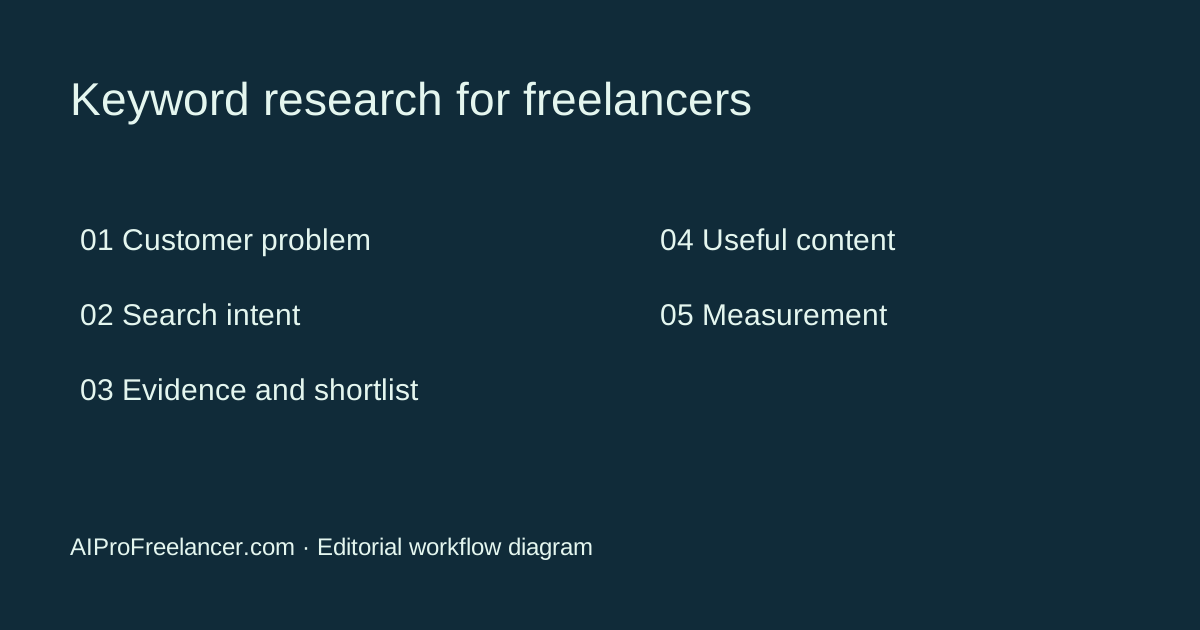
Choose a real reader task before opening an editor. Our keyword research workflow and shortlist worksheet help record intent and avoid creating another page for an existing answer.
Save the original article and a dated copy of the recommendations. Review each proposed change rather than accepting every term or increasing length merely to raise a score.
| Evaluation question | Evidence to record |
|---|---|
| Does the revision answer the reader’s task earlier? | Original and revised opening, with the task stated |
| Are product and numerical claims supported? | Primary source and date checked |
| Does each added section serve a distinct need? | Section purpose and overlap with existing pages |
| Are links useful and valid after publishing? | Destination checks and rendered page |
| How much editing is required? | Active time, corrections and rejected suggestions |
If no authorized sample has been evaluated, leave observations unmeasured. A vendor demo or a generated draft is not your test result.
Use our blank content editor evaluation worksheet to record the sample, accepted and rejected recommendations, subscription commitment and active editing time. It also separates tool scores from subsequent Search Console and Analytics observations. You can download it without buying Surfer; blank fields do not represent completed tests.
Check the current subscription commitment
Use the official pricing page and the checkout applicable to your account. Record the amount due now, renewal amount, billing period, seats, editor allowance, AI usage, required add-ons and cancellation conditions. This article does not promise a free trial, refund or fixed price.
Compare that commitment with the articles you realistically expect to work on. Include research, fact checking, revision and CMS cleanup time. Our project cost worksheet separates cash paid from the amount allocated to one client project. Do not assume that a small advertised monthly equivalent means a monthly billing commitment.
Measure the published outcome separately
Record the publication date and subsequent crawl information where available. Compare Search Console impressions and clicks in explicit periods and the relevant market. Keep Analytics sessions and reader actions separate from those search metrics.
Document other changes made at the same time. With a small sample and no control, describe an observed change without attributing it entirely to one tool. There is no supported 60–90-day ranking promise or purchase-return forecast in this review.
Decide whether to keep the workflow
Shortlist the tool when its guidance resolves a defined content problem and a reviewed sample fits your budget and delivery process. Defer buying when you have not established the reader task or the selected plan’s limits.
Our Ahrefs and Semrush comparison covers a related research decision. It does not replace evaluating this content-editing workflow. Keep unresolved questions visible rather than assigning a numerical winner without evidence.