Descript is a candidate when a client project involves turning recordings into an edited deliverable. Start with what the recipient needs to receive and approve, then evaluate the relevant workflow against a small authorized sample.
Revision October 8, 2026: This is a documentation-based evaluation guide. We have not completed a new account trial, timed editing benchmark or transcription accuracy test. Earlier claims of two months of personal use, numerical accuracy and measured processing speeds have been removed.
Separate the source recording from the final deliverable
Record the language, speakers, technical terms and required output. Agree whether the client needs an editable project, finished audio, captions or another format. A readable transcript alone does not demonstrate that an edited recording is ready to deliver.
Keep a short reference transcript for a permitted sample. Mark important names, numbers and changes in meaning. Check the actual recording when the transcript is uncertain rather than accepting polished wording as evidence of accuracy.
Understand the usage buckets before comparing plans
Descript’s current pricing page , checked October 8, separates media allowances and AI credits, alongside export and collaboration conditions. Its legacy-plan guidance distinguishes older plans. Do not apply an old transcription-hours table to a current account.
Record the specific plan and billing interval, who needs editor access, the relevant media allowance, and which proposed actions consume AI credits. Confirm these in the current account before estimating another client’s project. Leave unresolved limits and top-up costs unknown.
Evaluate one edit before expanding the workflow
| Check | Evidence to retain |
|---|---|
| Transcript | Reference text and material errors in names, numbers or meaning |
| Editing | Requested change and observation after listening to the edited passage |
| Continuity | Awkward cuts, lost context or changes that require manual repair |
| Delivery | Required format and whether the recipient can open the sample |
| Capacity | Usage before and after the sample, with the account and plan recorded |
| Revision work | Active checking and repair time, separate from unattended processing |
Repeat the same brief when comparing workflows. Do not treat a vendor feature description or our blank checklist as a completed performance result. Synthetic voices or supplied recordings also need the permissions appropriate to the intended use; do not experiment with another person’s voice without authorization.
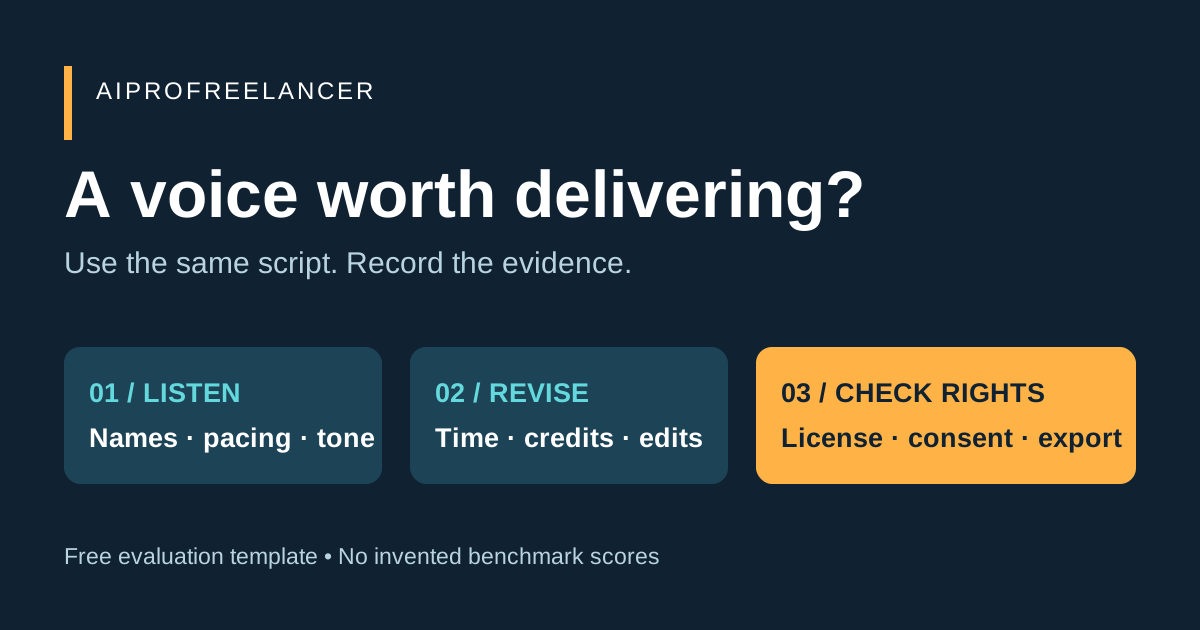
The voiceover evaluation scorecard provides a structure for listening and revision notes. For generated narration candidates, the AI voice buying guide keeps voice evaluation separate from export and usage questions.
Decide using the complete project cost
Use the freelance project-cost worksheet to include subscription allocation, necessary access, cleanup, revisions and handoff. A faster draft can still require substantial verification. No saving or conversion improvement has been measured here.
Proceed only when essential delivery checks pass and unresolved limitations are acceptable to the client. Otherwise, keep the evaluation open. This article uses ordinary vendor links; no verified Descript affiliate relationship, product rating or overall winner is claimed. Related guides may contain separately disclosed affiliate links. Disclosure .