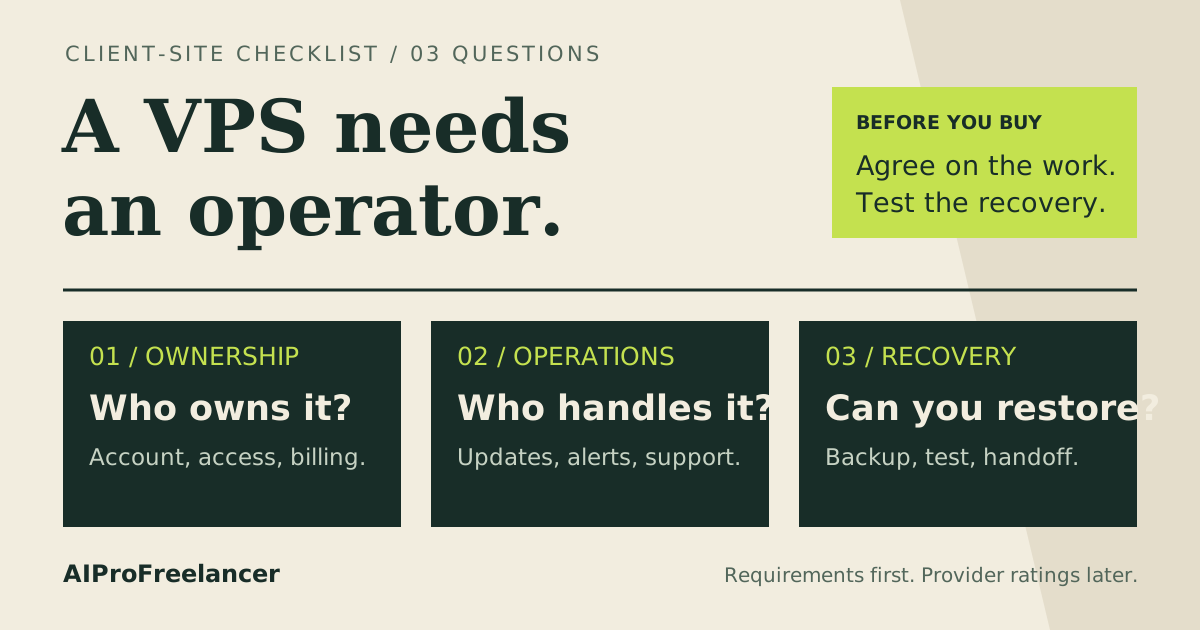
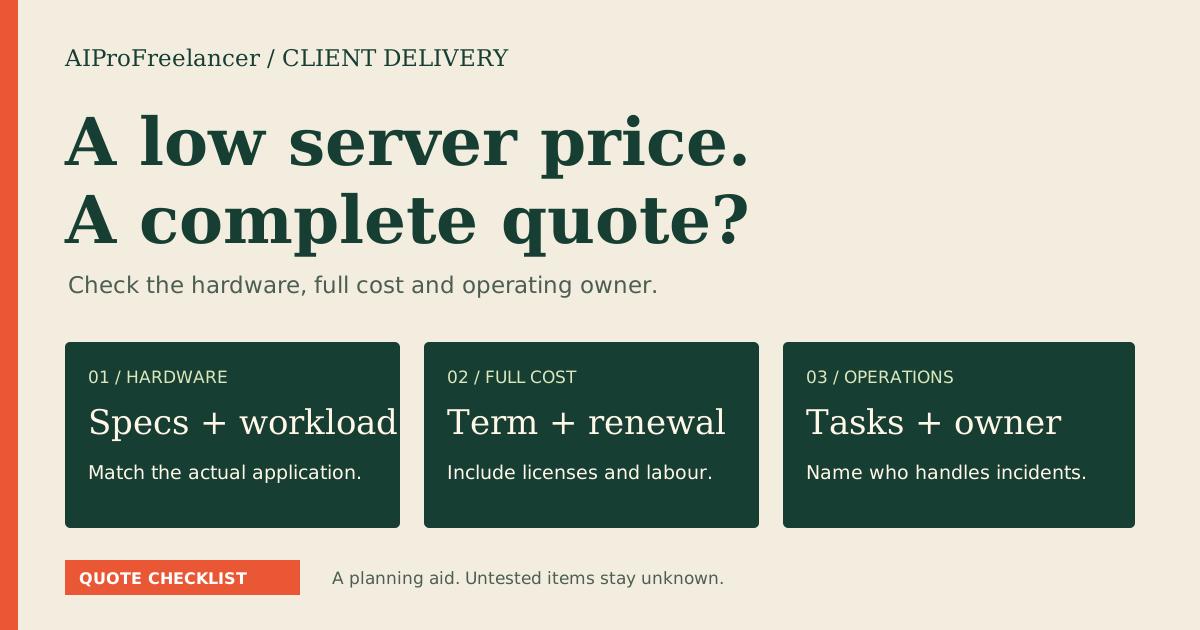
Choose hosting around the application you need to run and the person who will maintain it. A larger server allocation does not, by itself, prove faster pages or lower operating cost.
Updated October 8, 2026: This is a decision checklist based on documentation, not a comparative hosting benchmark. Earlier unsupported speed percentages, compliance assurances and universal refund promises have been removed.
Start with the requirement that changes the decision Requirement Ask about shared hosting Ask about a VPS Application runtime Does the plan support your language, version and background tasks? Can you install the required runtime, and who maintains it? Resource limits What CPU, memory, process, database and storage limits apply? Which allocations are shared, reserved or burstable under this specific plan? Administration Which server tasks are included and which application tasks remain yours? Who patches the OS, controls access and responds to incidents? Recovery How are backups retained and restored? Who tests restoration and keeps a usable recovery copy? Budget What are renewal, upgrade and add-on costs? What are server, license, backup, monitoring and operator costs? Shared hosting can remain a candidate when it supports the workload and its limits are acceptable. A VPS becomes worth evaluating when a required service, configuration or resource cannot be accommodated by the existing plan. Neither label is enough to settle the decision.
...